Reproductive Rights in the Indigenous Community
There is no reproductive freedom if native populations aren’t included in the conversation
By Chrisi West (Caddo/Delaware/Pawnee)
A checkered history
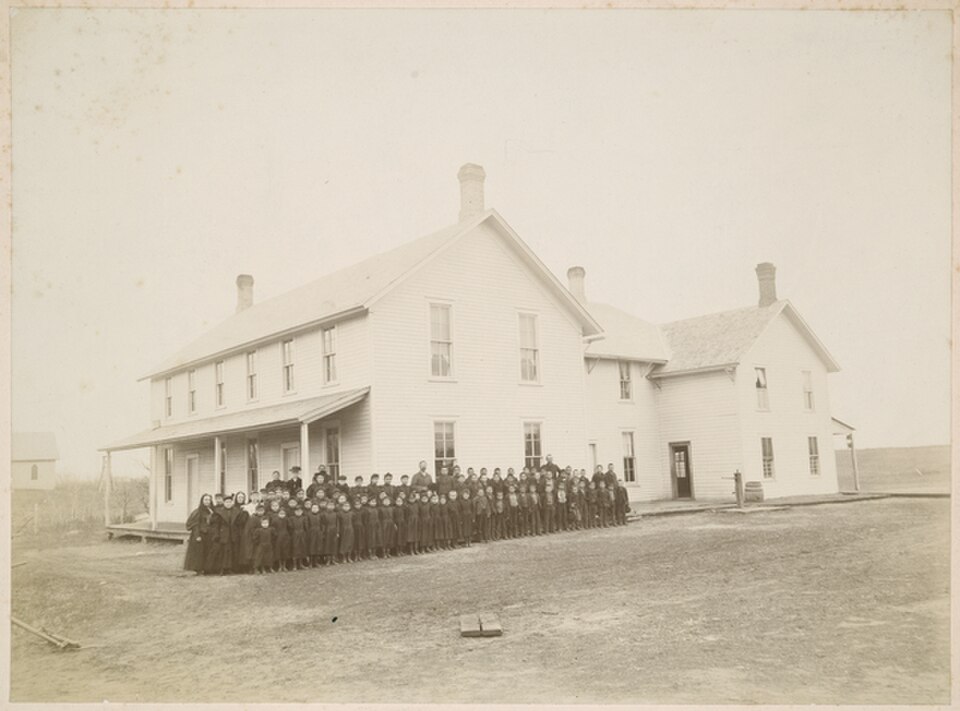 Indigenous people have a long and complicated history with reproductive rights under the United States government. As an Indigenous woman, I want to acknowledge this history and highlight ways to remedy the challenges still facing Native communities today when accessing reproductive healthcare.
Between 1875 and 1928, the U.S. government forcibly removed Native children from their families and sent them to non-indigenous boarding schools away from their community. This policy eventually morphed into the Indian Adoption Project, where white and non-Native families adopted native children taken from their homes and reservations.
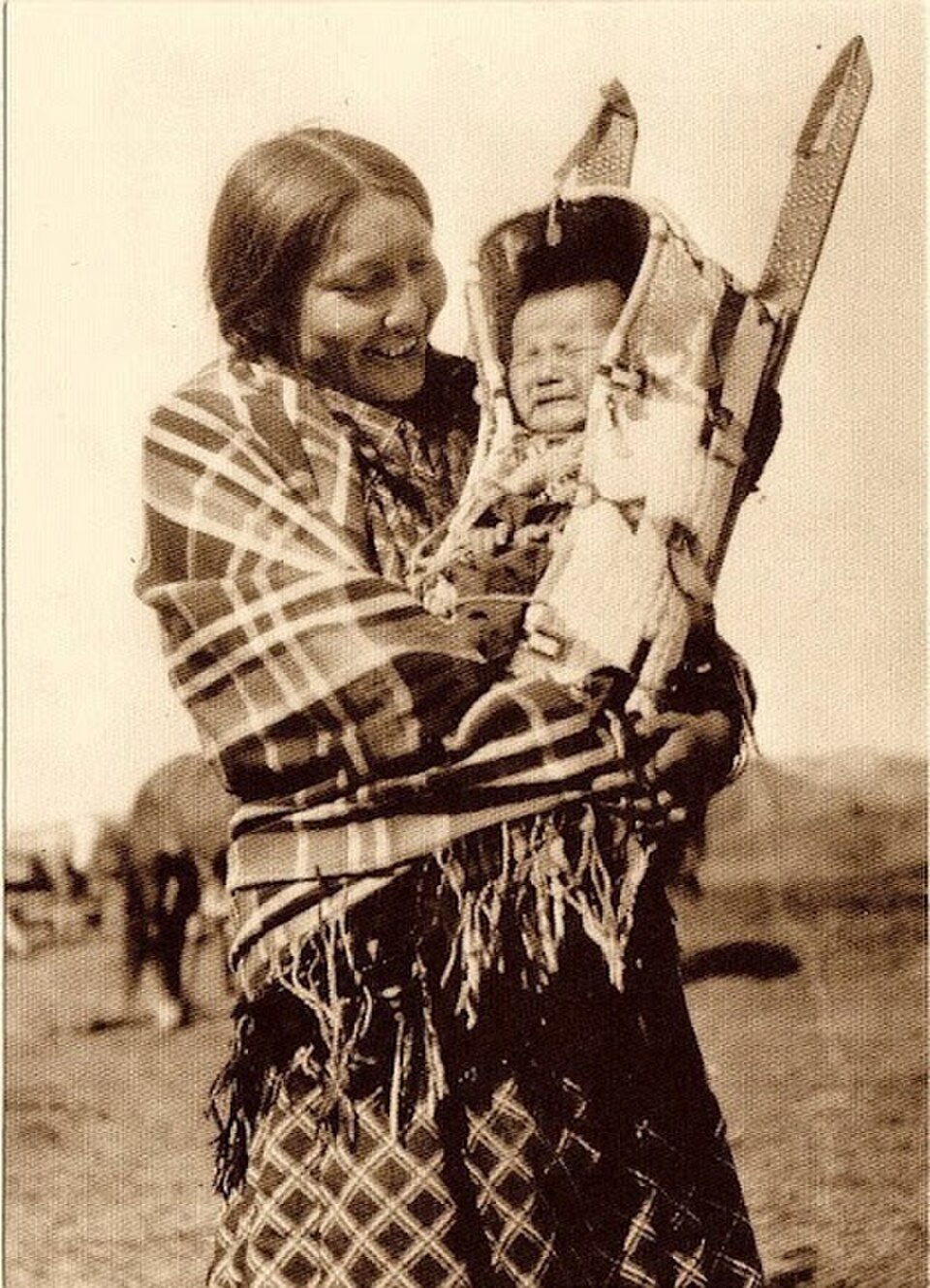
Programs like the field matron program were then implemented to train Native mothers on Victorian-era social and gender norms instead of addressing the critical issues of nutrition, economic opportunity, and overall health in a culturally responsive way.
Then began the program of forced sterilization of Native women and injections of the Depo-Provera birth control shot – before it was even approved by the FDA for use in the 1970’s. The Indian Health Service was complicit in these actions, funded by a federal government that believed Native people needed to be “civilized” and the population controlled for their own good.
Challenges today
To this day, the Indian Health Service restricts access to abortion care due to the Hyde Amendment, which bans federal funds from being used for abortions. This also limits access to emergency contraception in a community with higher rates of sexual assault than the non-Native population.
States with large Native and tribal communities like Oklahoma, Texas, and the Dakotas also have total abortion bans in place, making access to abortion care even more difficult. Combined with the remoteness of many reservations and tribal communities, access to reproductive healthcare like abortion is formidable if not impossible.
The organization Forward Together surveyed Native people in New Mexico and found the following:
- 89% of surveyed Native Americans believe that Native American women and families deserve to make their own healthcare decisions without government interference.
- 72% of surveyed Native Americans agreed with the statement: “I can hold my own moral views about abortion and still trust a woman and her family to make this decision for themselves.”
- The top two barriers identified by Native survey respondents to accessing reproductive healthcare are transportation (27%) and cost of accessing reproductive healthcare services (17%).
What Native communities deserve
Indigenous people deserve access to safe, culturally-responsive reproductive healthcare that honors their sacred traditions and protects their health.
There are Native grassroots organizations and groups around the United States advocating for structural changes to pregnancy, birth, and abortion care. Birth doulas and midwives trained in Indigenous birthing practices have been shown to restore a semblance of justice and even calm for Native women. (Read about the amazing work of Shavonne Stevens and Katsi Cook.) Efforts in Congress have sought out additional funding to address the maternal health crisis for these communities, but it’s still not enough.
Without wider access to abortion care, emergency contraception, and birth control, Indigenous women will still have some of the highest teen pregnancy and sexually transmitted infection rates in the country. This, too, needs to be immediately addressed.
Access to the full spectrum of reproductive healthcare should not be restricted by federal funding bans when there is such an enormous need for support of tribal-based programs and consistent, long-term funding to address sexual violence and health overall.
Indigenous communities should be centered in their own reproductive healthcare policies and decisions. Native women are sacred; let’s give them the healthcare they deserve.
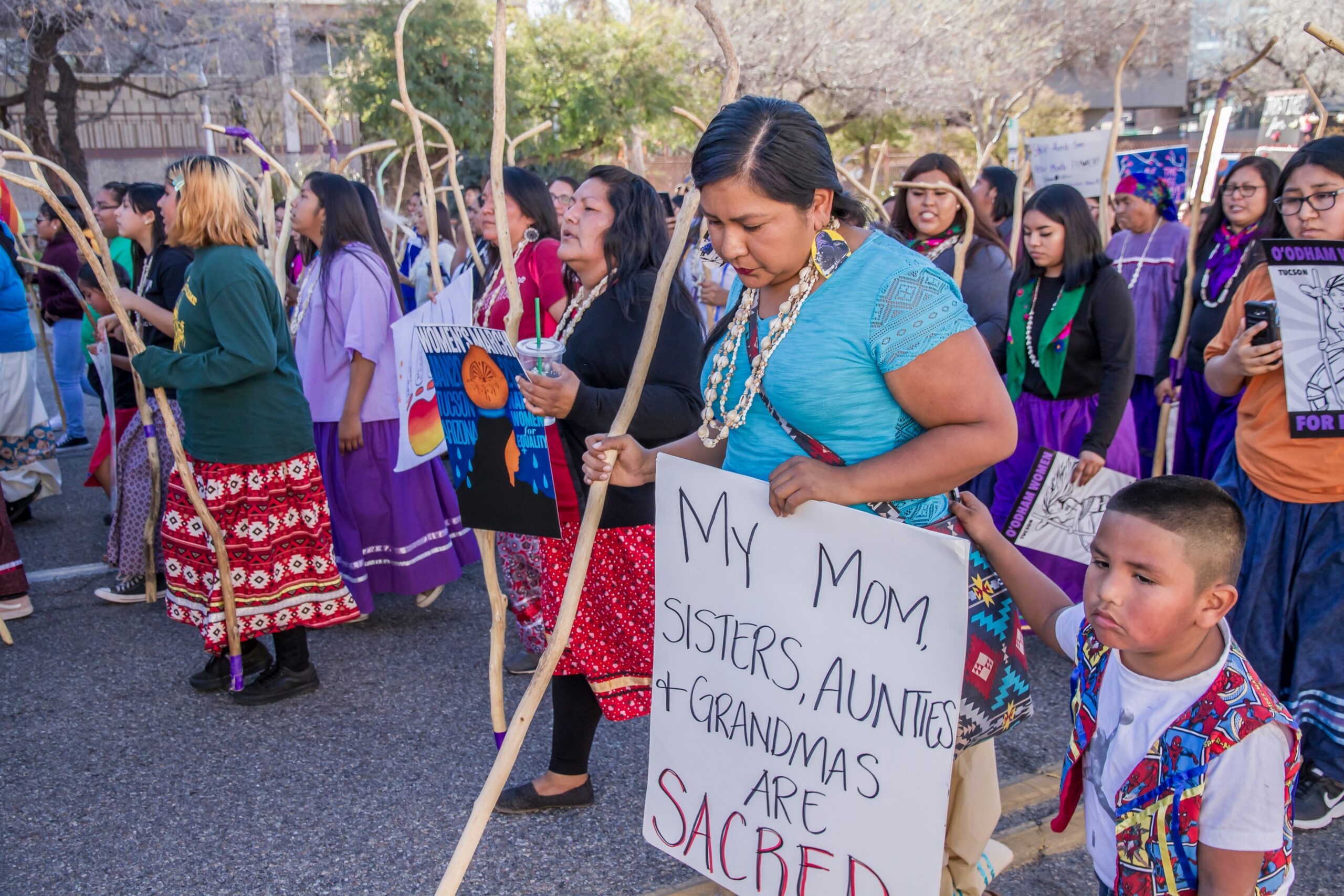
Photo by Dulcey Lima on Unsplash
Just some of the groups fighting for Indigenous repro rights
There are groups on the ground doing the hard work of fighting for native-informed access to reproductive healthcare for Indigenous communities. Take the time to check them out, and if you can, give them your support:
Sources:
- Native Reproductive Justice: Practices and Policies from Relinquishment to Family Preservation – The Petrie-Flom Center at Harvard School of Law
- Birth Justice: The Fight for Reproductive Freedom in Indian Country – The Imprint
- The Road to Reproductive Justice: Native Americans in New Mexico – Forward Together
- Indigenous Health Rights are Reproductive Justice – Planned Parenthood of Greater New York
Related Posts

Talking about the Constitutional Amendment for Reproductive Freedom
2026-2027 Student Advocacy Fellows Start the Year Off Strong
WATCH: YES on 1 Campaign Launches Six-Figure Digital Ad Campaign to Educate Virginia Voters on Reproductive Freedom Amendment